Bombay High Court Rules Voter Deletions Without Hearings Unconstitutional, Orders ECI to Reinstate Names
The Bombay High Court has mandated that election authorities must adjudicate Form 8 applications during Special Intensive Revision cycles, ruling that removing citizens from electoral rolls without a personal hearing violates democratic rights. Consequently, the bench directed the Election Commission of India to overturn prior rejections and immediately restore the affected voters.

- The Bombay High Court ruled that purging voter rolls without granting an official hearing strips citizens of their fundamental franchise.
- The ECI has been formally directed to reverse the denial of six specific Form 8 applications and reinstate the individuals' voting rights.
- The ruling establishes a strict legal precedent requiring transparent adjudication of electoral roll modifications during revision periods.
In a decisive ruling protecting democratic franchise, the Bombay High Court declared that erasing citizen names from electoral rolls without a prior hearing constitutes an unlawful denial of the right to vote, ordering the Election Commission of India to reinstate six wrongfully deleted names.
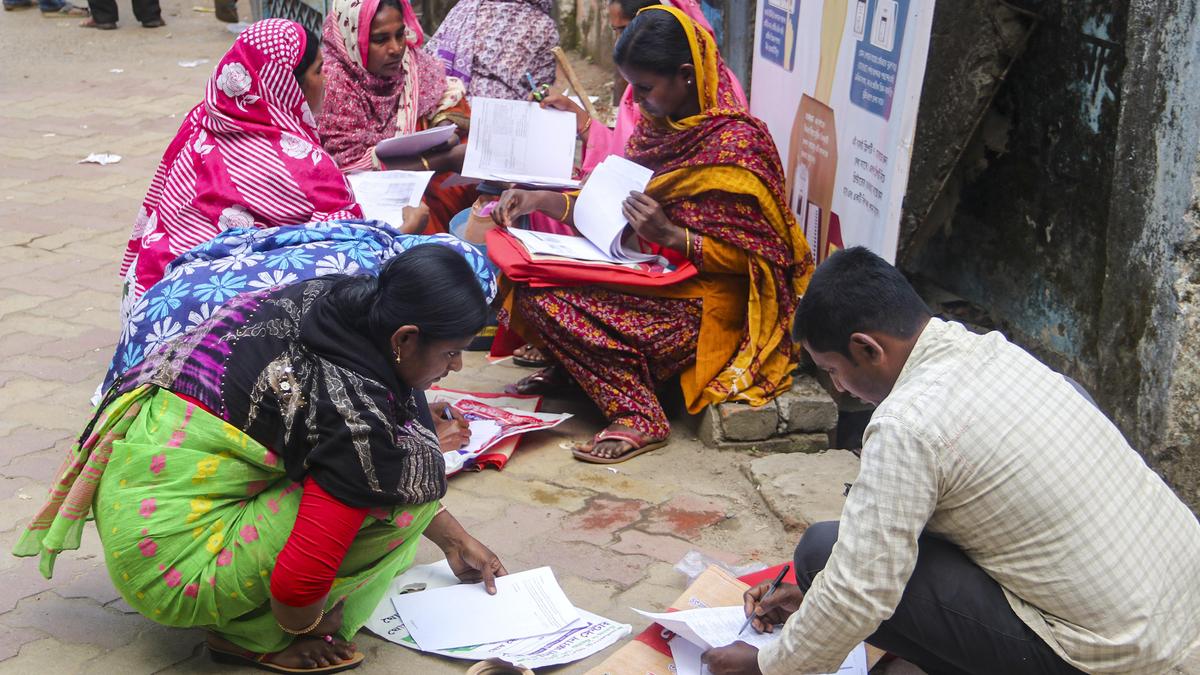
The judicial intervention centers on the handling of Form 8 applications, which citizens file for corrections or updates to their registration details during electoral roll revisions. Historically, disputes regarding these administrative filings have occasionally faced opaque processing, prompting legal challenges from affected individuals seeking to safeguard their participation in the democratic process.
According to reports by The Hindu, the division bench firmly established that statutory procedures regarding Form 8 must be strictly observed during Special Intensive Revision exercises rather than bypassed through arbitrary administrative omissions.