Election Commission Defends Additional Declaration for New Voters Amid Supreme Court Scrutiny
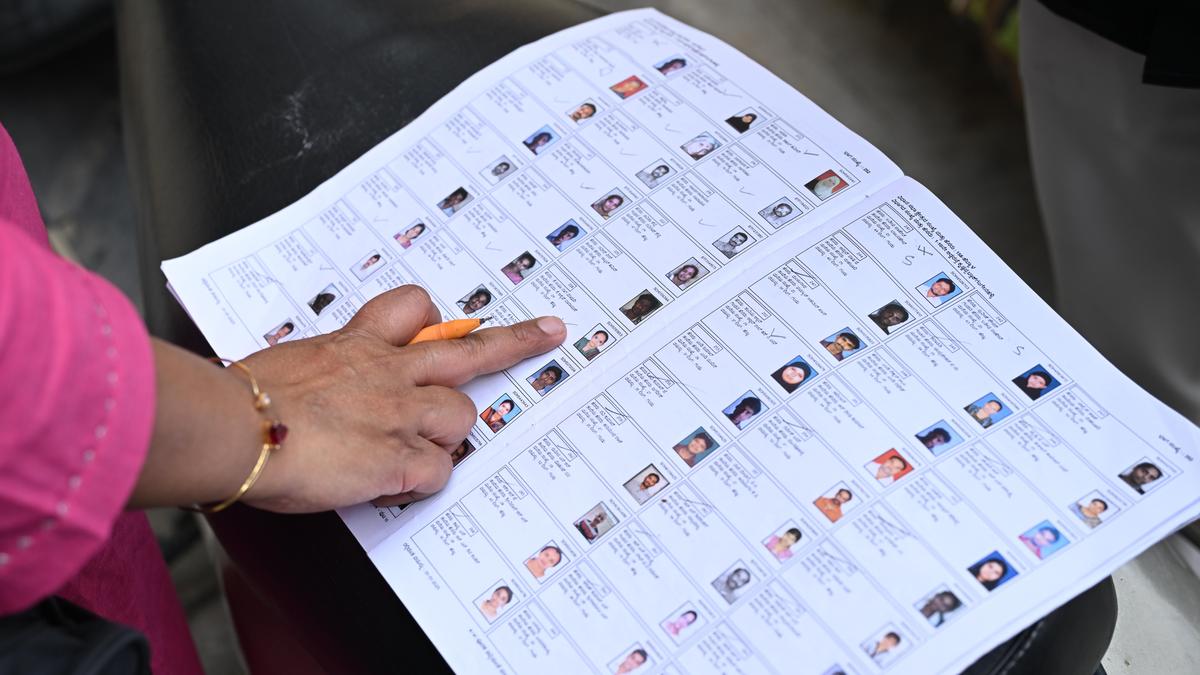
- •The Election Commission maintains that the extra declaration is separate from standard Form 6 requirements.
- •Applicants must now disclose previous electoral roll data or lineage connections.
- •The Supreme Court has intervened to review the legality and implications of these new bureaucratic hurdles.
NEW DELHI — In a significant procedural update, the Election Commission of India (ECI) has defended its implementation of an auxiliary declaration attached to Form 6, mandating that fresh applicants furnish historical electoral data spanning themselves or their lineage. The directive, which caught national attention, introduces stricter documentation mandates for individuals seeking to exercise their franchise across the country.
This regulatory shift arrives closely on the heels of an announcement by the Supreme Court of India, which formally stated it would undertake a rigorous examination of the revised Form 6 protocols. The judiciary's intervention highlights growing concerns over potential disenfranchisement or undue administrative burdens placed on citizens wishing to register onto the electoral rolls ahead of upcoming civic and national electoral cycles.
According to investigative reports by The Hindu, legal experts and civil society organizations have raised pressing questions regarding the statutory backing for the supplementary paperwork. While the ECI insists the additional paperwork falls outside the rigid statutory boundaries of traditional Form 6 yet serves a crucial verification purpose, critics argue it complicates an already intricate registration process.
As the legal battleground shifts to the apex court, all eyes remain fixed on how the judiciary will interpret the commission's administrative powers. The impending judicial review is expected to establish a definitive precedent governing voter registration transparency and accessibility throughout the nation.