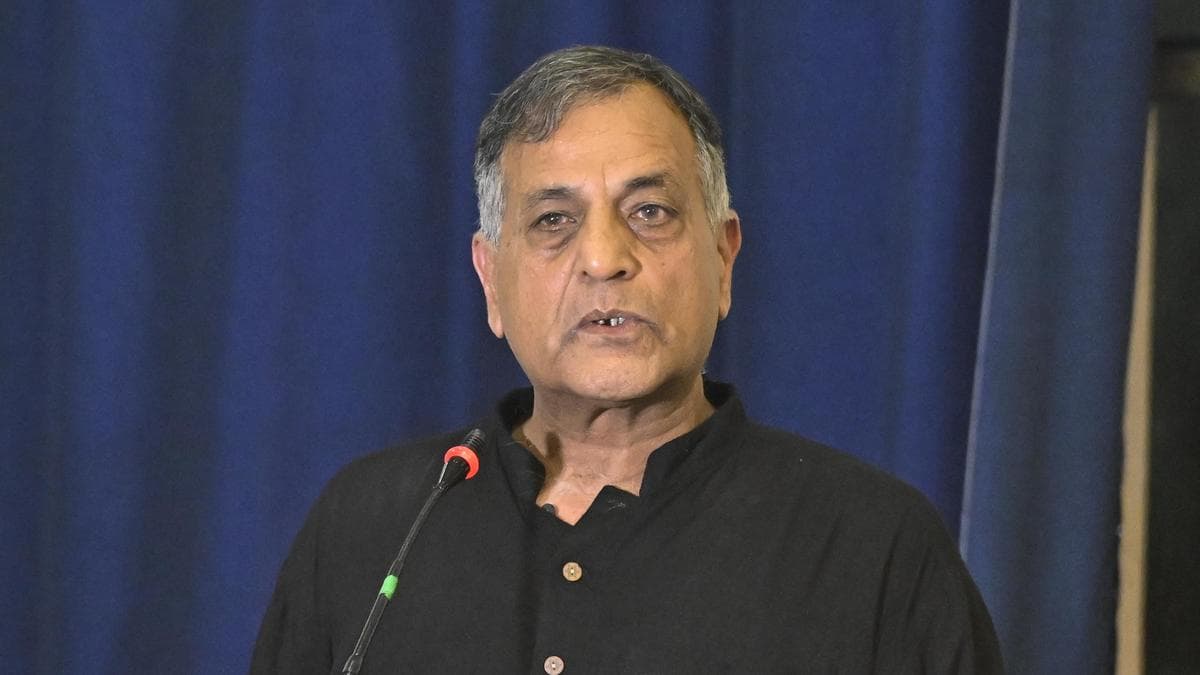
NEW DELHI — Former Election Commissioner Ashok Lavasa has issued a stern critique regarding the shifting public perception of the Election Commission of India (ECI), warning that the autonomous body faces an unprecedented crisis of institutional credibility. Speaking on current administrative challenges, Lavasa emphasized that widespread electoral anxiety among citizens has reached critical levels, driven largely by mounting fears over transparency, accountability, and the administrative handling of voter lists.
The sharp remarks from the former senior bureaucrat arrive amid a charged national dialogue concerning the integrity of India's democratic machinery. Historically regarded as a pillar of electoral independence, the ECI has faced heightened scrutiny from political opposition groups and civil society organizations over recent election cycles. Critics have frequently pointed to perceived delays in addressing code of conduct violations and opaque procedures surrounding electronic voting systems as catalysts for the erosion of public faith.
According to reports published by The Hindu, Lavasa particularly underscored that the institutional response to safeguarding fundamental voting rights has been deeply disheartening, failing to meet the rigorous standards expected of a constitutional referee. While official representatives of the poll panel have consistently defended their operational neutrality and adherence to statutory guidelines, dissenting voices argue that administrative defensiveness has only served to widen the gulf between the electorate and the commission.
As India prepares for upcoming regional and national electoral battles, the debate over the autonomy and accountability of the ECI is expected to intensify legislative and public pressure. Observers note that restoring systemic confidence will likely necessitate immediate structural reforms, enhanced transparency in administrative decision-making, and proactive measures to alleviate public apprehension regarding the sanctity of the ballot.