DMK Chief Stalin Champions Periyar's Legacy During Coimbatore Tour
Dravida Munnetra Kazhagam leader MK Stalin visited the Periyar Arivulagam in Coimbatore to urge young citizens to embrace rationalist philosophies. Concurrently, he inaugurated the groundwork for a major regional party headquarters in Neelambur.

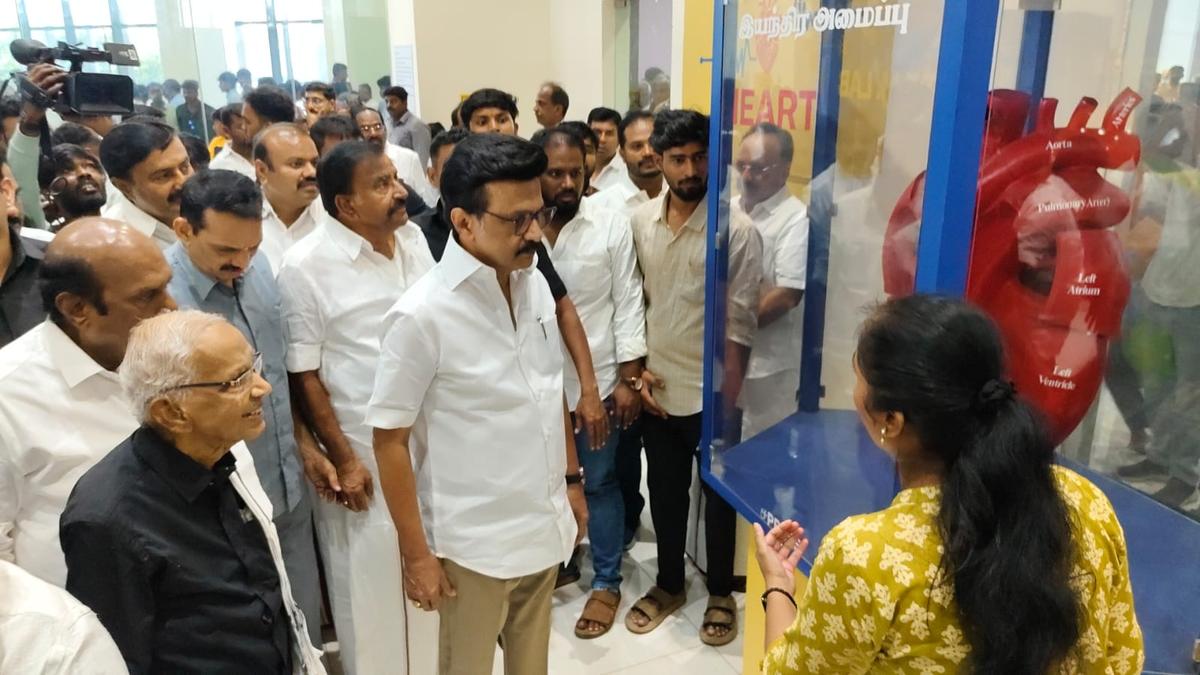
- DMK President MK Stalin toured Periyar Arivulagam in Coimbatore to promote rationalist ideology among the youth.
- The political leader officially laid the cornerstone for a consolidated Coimbatore District party office in Neelambur.
- The strategic visit highlights the party's ongoing commitment to its foundational socio-political roots in Tamil Nadu.
COIMBATORE — Dravida Munnetra Kazhagam (DMK) President and former Tamil Nadu Chief Minister MK Stalin traveled to the Periyar Arivulagam in Coimbatore on Tuesday, where he made a passionate appeal for the younger generation to deeply study and adopt the revolutionary tenets of social reformer Thanthai Periyar. This high-profile stop formed the core of his busy regional itinerary, which also featured the formal ground-breaking ceremony for a modern, unified Coimbatore District party headquarters located in Neelambur.
The high-stakes visit underscores the party leadership's persistent focus on ideological messaging as regional political landscapes continue to shift. By anchoring his public appearances around the core teachings of Dravidian ideology, Stalin aims to solidify grassroots support and reaffirm the party's historic commitment to social justice, secularism, and rationalist thought, which remain central pillars of Tamil Nadu's political identity.
According to reports by The Hindu, the political event drew considerable local attention as cadres gathered to witness the foundation stone laying for the sprawling Neelambur facility, which is designed to streamline regional administrative operations. Observers note that emphasizing Periyar's philosophies during organizational expansion drives serves as a deliberate strategy to educate younger demographics on the historical struggles that shaped the state's socio-political framework.