Supreme Court Acknowledges Delhi Protest Economy as Judicial Bench Balances Livelihoods With Free Expression
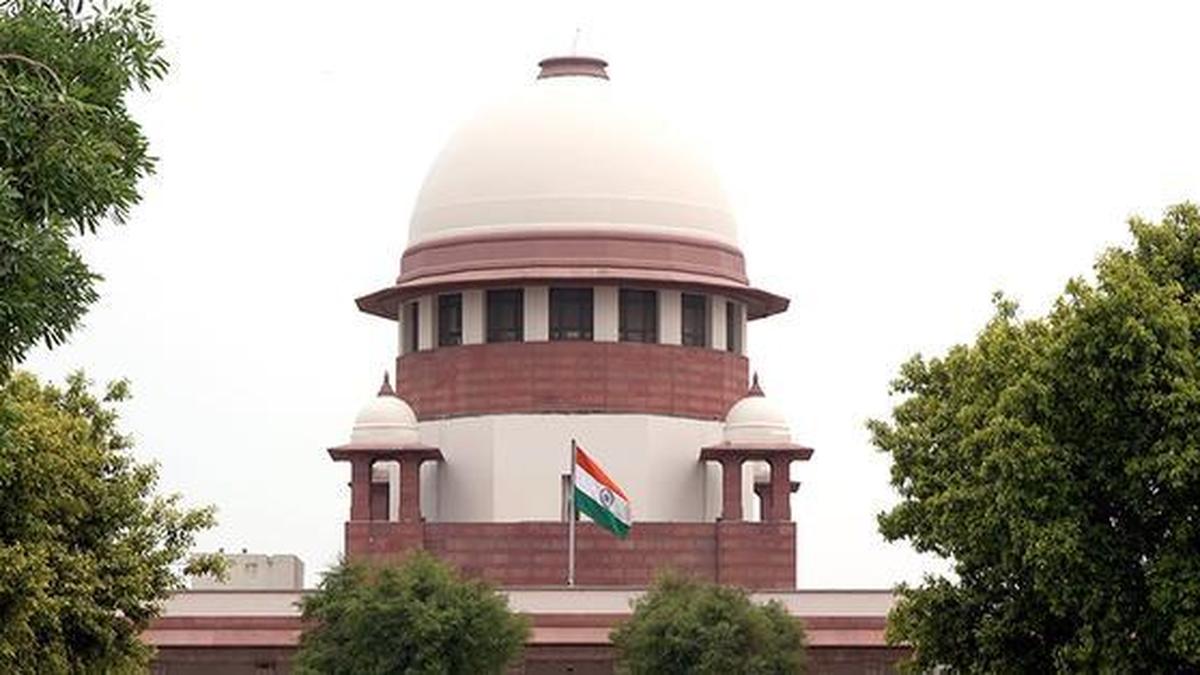
The Supreme Court of India recently addressed the economic impact of civic demonstrations on local merchants in the national capital. The judicial bench emphasized the delicate balance between constitutional rights to protest and the daily survival needs of informal vendors.

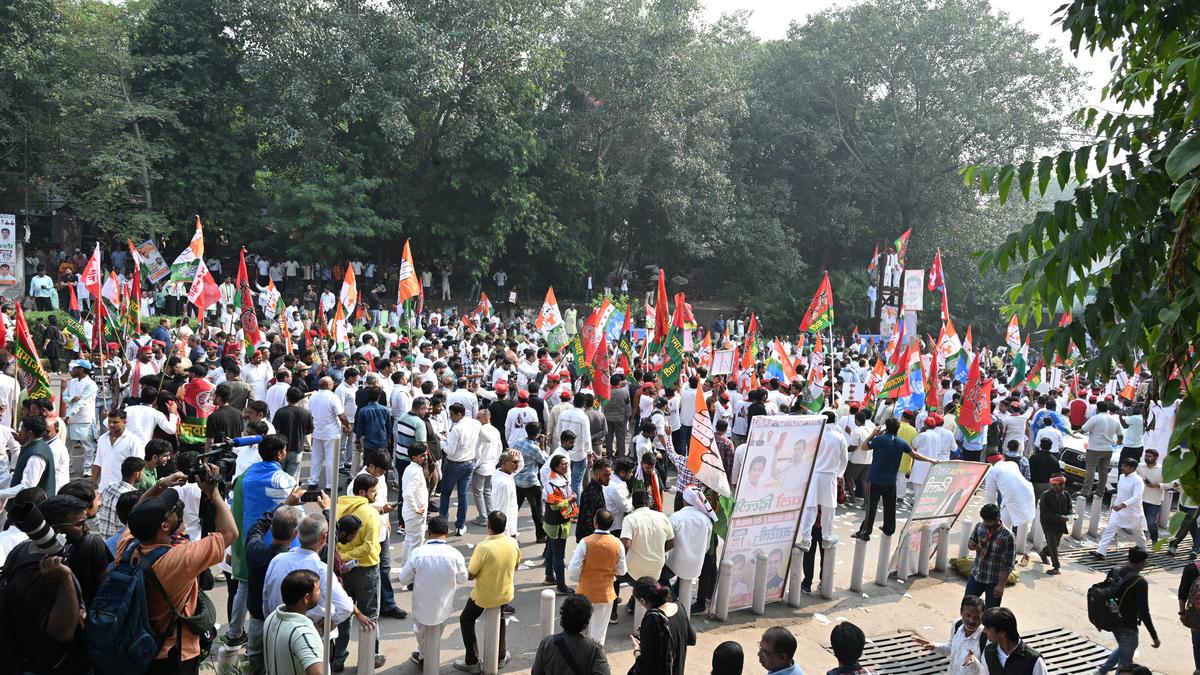
- The Supreme Court highlighted the emergence of a unique protest economy affecting street vendors and small merchants in New Delhi.
- Judicial observations reflected deep empathy for the constitutional right to livelihood held by hawkers and pushcart operators.
- The ongoing legal discourse centers on reconciling freedom of expression with commercial accessibility in public spaces.
NEW DELHI — The Supreme Court of India has formally recognized the existence of a distinct protest economy within the national capital, addressing the commercial fallout that continuous demonstrations inflict on small-scale merchants and street vendors. Presiding over a bench examining urban space regulations, the highest court navigated the complex intersection between civic agitation and urban commerce, noting how mass assemblies directly disrupt the financial stability of daily wage earners and micro-entrepreneurs.
This judicial observation brings to light the recurring friction between public demonstrations and commercial viability in India's densely populated metropolitan corridors. For years, small traders, pushcart operators, and sidewalk hawkers in New Delhi have absorbed significant financial losses during major political rallies and civil unrest, as barricades and heavy security cordons frequently sever customer foot traffic. Urban policy analysts have long debated the economic vulnerability of these informal workers, whose operations depend entirely on uninterrupted public accessibility.