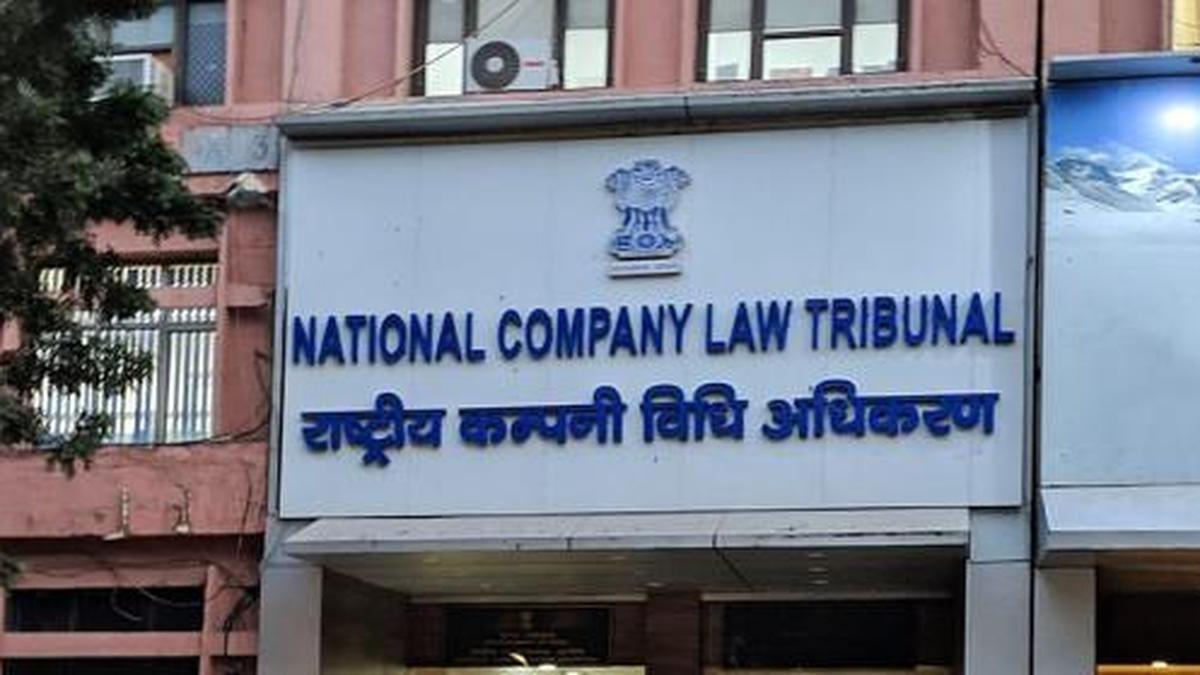
NEW DELHI — In a decisive blow to executive overreach, the Supreme Court of India ruled on Tuesday that the Ministry of Corporate Affairs has improperly seized administrative control over staff appointments within the National Company Law Tribunal (NCLT). Delivering a stern verdict on the separation of powers within quasi-judicial bodies, the bench asserted that the authority to recruit and place personnel must remain strictly vested in the NCLT president to preserve institutional integrity.
The controversy centers on the fundamental autonomy required by adjudicatory bodies handling high-stakes corporate litigation and insolvency proceedings. Historically, regulatory ministries and specialized tribunals have locked horns over administrative oversight, with civil servants attempting to centralize bureaucratic maneuvers. Tuesday's judgment directly addresses these systemic friction points, reinforcing that external government departments cannot unilaterally dictate internal staffing mechanisms without compromising the adjudicators' independence.
According to investigative reports by The Hindu, the judicial panel emphasized that a strict employer-employee relationship must govern the dynamic between the tribunal staff members and the NCLT leadership, rather than external bureaucratic entities. Legal analysts note this distinction is critical, as personnel owing allegiance to an outside ministry could inadvertently create conflicts of interest or exert subtle influence over sensitive corporate dispute outcomes handled by the tribunal.
Looking ahead, this ruling is expected to force a comprehensive restructuring of human resource protocols across India's quasi-judicial ecosystem, compelling the central government to relinquish bureaucratic grip over specialized courts. The Ministry of Corporate Affairs will now be mandated to revise its administrative guidelines to align with the apex court's directives, potentially setting a binding precedent for other tribunals seeking greater autonomy from executive interference.