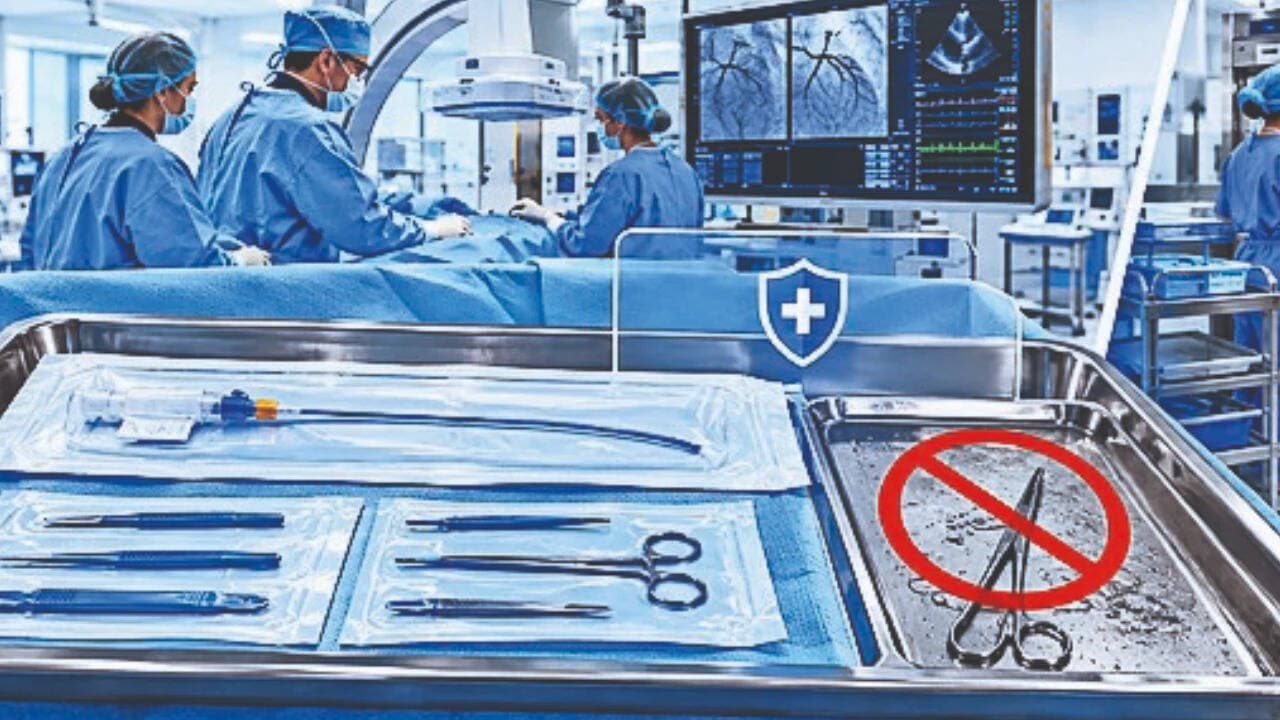
NEW DELHI — In a decisive move to safeguard public health standards, the central administration has officially prohibited the secondary utilization of single-use medical instruments across all healthcare institutions nationwide. Announced this week, the stringent mandate outlaws any attempt by hospitals or clinics to sterilize and redeploy devices specifically engineered for one-time clinical application, directly tackling a clandestine market for recycled medical consumables.
Historically, the economic pressures faced by various medical facilities led to informal protocols where select disposable implements—ranging from surgical cutters to diagnostic catheters—underwent unauthorized chemical washing and sterilization for subsequent patients. While intended to cut overhead expenses, this unregulated practice circumvented established biomedical safety protocols, exponentially increasing the incidence of hospital-acquired infections, cross-contamination, and severe post-operative complications.
According to investigative findings and industry analyses highlighted by the Times of India, health authorities acted on intelligence revealing widespread systematic recycling rings operating within the healthcare supply chain. Medical regulators emphasize that modern disposable hardware utilizes complex polymers and assembly structures that cannot be safely restored to their original sterile state through conventional hospital autoclaving or chemical processing.
Looking ahead, federal health inspectors are slated to launch nationwide compliance sweeps to ensure strict adherence to the updated guidelines, with heavy penalties awaiting institutions caught flouting the protocol. Industry experts anticipate that this regulatory enforcement will compel hospitals to completely overhaul their procurement pipelines, ultimately driving higher demand for certified, single-use manufacturing while setting a rigorous precedent for patient safety protocols across the subcontinent.