BJP Mobilizes Nationwide Demonstrations Targeting Mallikarjun Kharge Over Contentious Baap Remark
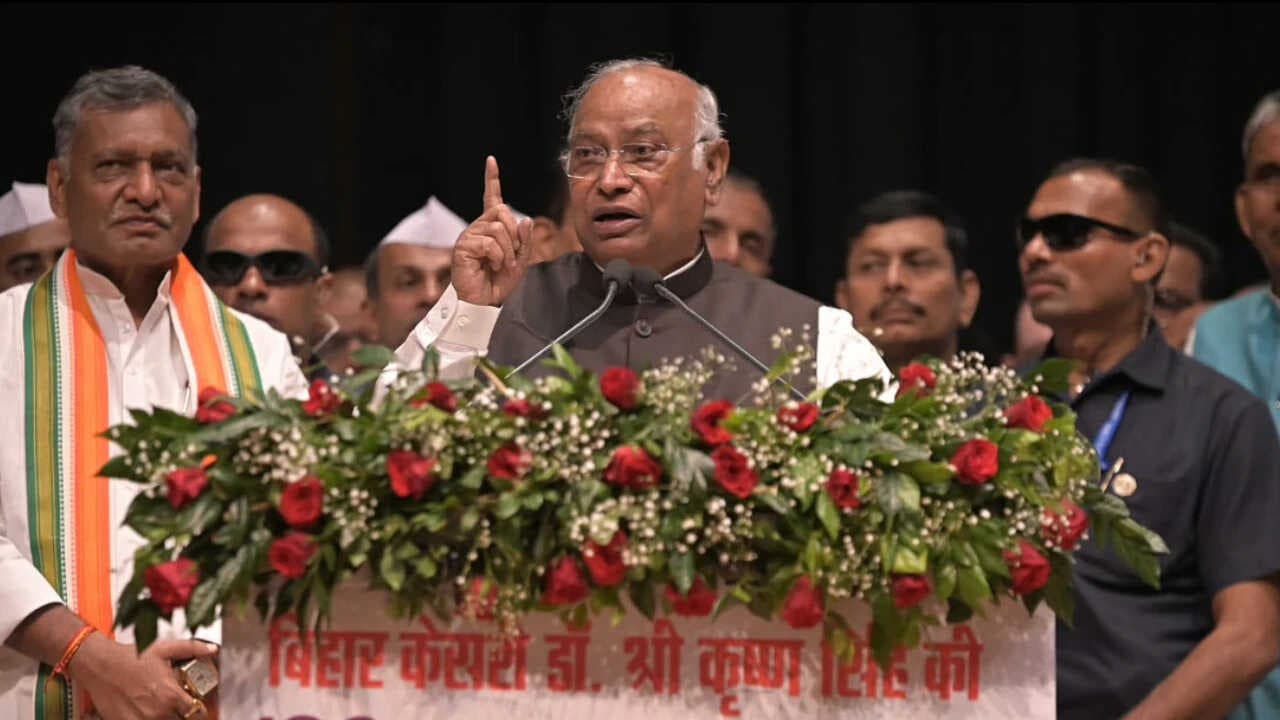
- •The BJP has announced widespread protests condemning a controversial statement by Congress Chief Mallikarjun Kharge.
- •According to Times of India reporting, the remarks have intensified ideological confrontations between the ruling party and the opposition.
- •Political analysts expect the controversy to significantly impact ongoing campaign narratives and parliamentary discourse.
NEW DELHI — The ruling Bharatiya Janata Party (BJP) has formally called for widespread demonstrations across the nation to condemn a controversial rhetorical statement delivered by Congress National President Mallikarjun Kharge. The unfolding political confrontation centers on language used by the veteran opposition leader, which the saffron party has characterized as derogatory and unparliamentary.
This latest flashpoint underscores the deeply entrenched hostility between India's primary political adversaries. Rhetorical escalations have become increasingly common as national and regional parties gear up for high-stakes electoral contests, with both sides frequently leveraging verbal missteps to mobilize their respective political bases and sway public opinion.
According to reports by the Times of India, senior BJP officials have demanded an unconditional public apology from the opposition leadership, asserting that the remarks disrespect democratic norms and the dignity of political office. In counter-statements, representatives for the grand old party have defended their president, accusing the administration of intentionally misconstruing benign political commentary to distract citizens from pressing economic and social challenges.
As the scheduled protests commence nationwide, political analysts anticipate heightened legislative disruption and sharper campaign rhetoric in the days ahead. The fallout from this controversy is expected to shape political messaging and strategic alignments as parties prepare for upcoming parliamentary sessions and localized polling cycles.