Gender Disparity at Aligarh Muslim University: Thousands of Female Students Denied Voting Rights in Union Elections
Approximately 4,000 female students enrolled at the Aligarh Muslim University's Women’s College have been barred from participating in upcoming students' union elections. This exclusion has triggered intense nationwide debates regarding gender equality and fair representation within premier academic institutions.

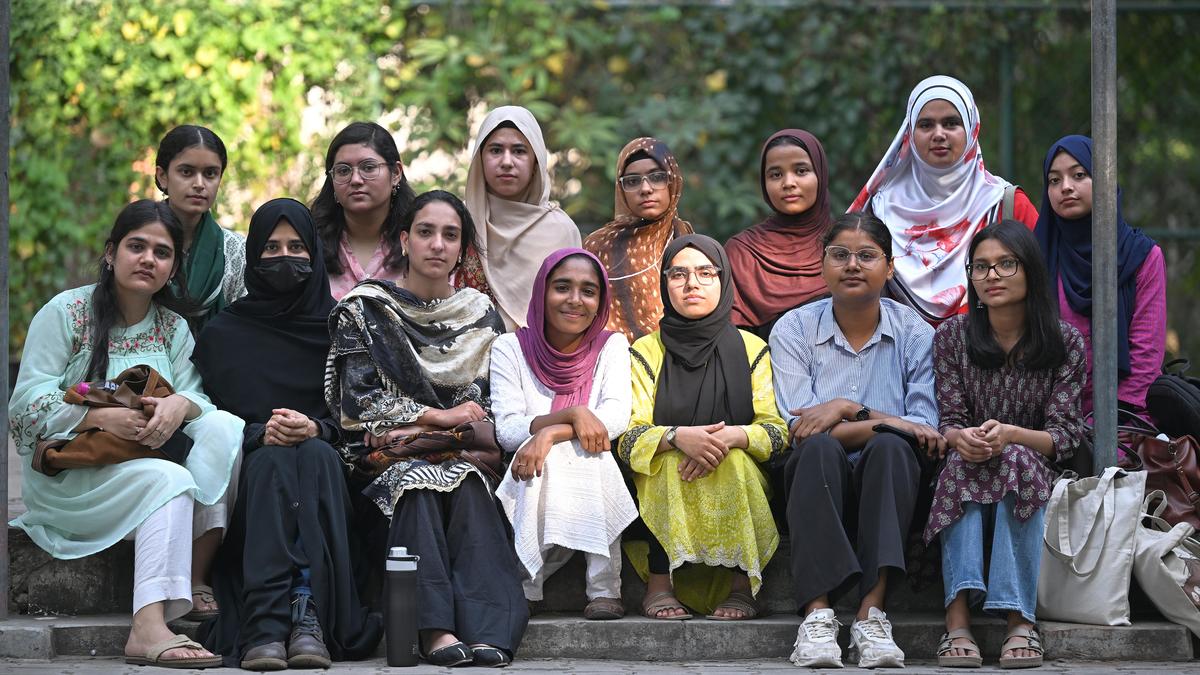
- Roughly 4,000 female scholars at AMU’s Women’s College are restricted from casting ballots in AMUSU elections.
- The ongoing disenfranchisement highlights persistent structural gender discrimination within prominent historical universities.
- Student advocates and civil rights observers are intensifying calls for immediate electoral inclusivity and policy reforms.
Aligarh Muslim University faces mounting scrutiny after roughly 4,000 female scholars stationed at the institution's dedicated Women’s College were formally excluded from exercising their franchise in the Aligarh Muslim University Students’ Union (AMUSU) elections. This restriction prevents a massive bloc of young women from engaging in democratic campus processes, restricting their ability to elect student leadership that adequately represents their daily welfare and academic interests.
The disenfranchisement underscores a long-standing structural grievance within the campus ecosystem where female learners are physically present to pursue higher education yet remain politically marginalized. Historically, female representation in central union bodies at the institution has faced administrative hurdles and exclusionary frameworks, prompting generations of scholars to challenge institutional rules that separate women's residential and academic enclosures from mainstream union voting privileges.
According to investigative reporting by The Hindu, campus activists and student representatives have fiercely condemned the restriction, branding it an institutionalized form of gender discrimination that undermines constitutional principles of equality. While university administrators have historically defended traditional bylaws regarding union structures, civil rights organizations argue that denying ballot access to thousands of women is an archaic practice that has no place in modern academic governance.