Delhi's Air Quality Plummets to 'Very Poor' 310 AQI as Winter Smog Grips North India
Delhi's air quality index hit 310 by 8 a.m. on November 2, 2026, officially placing the capital in the 'very poor' category according to CPCB data. The spike underscores the capital's recurring winter pollution crisis and prompts immediate administrative and public health responses.

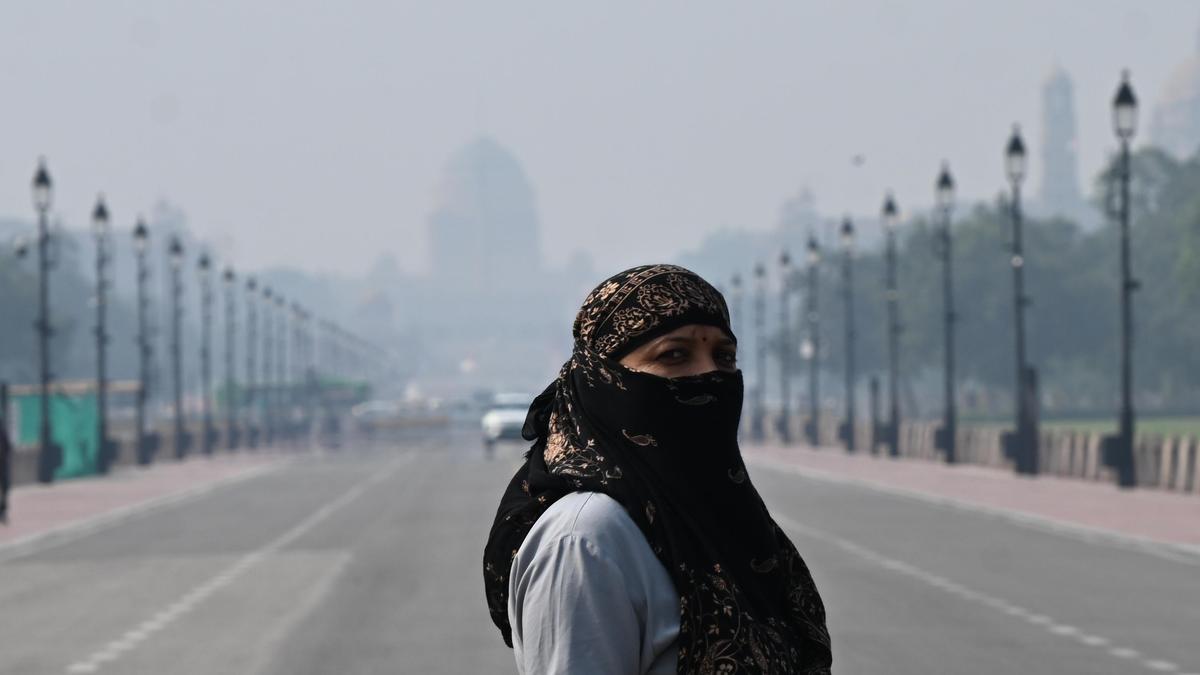
- Delhi's AQI hit 310 by 8 a.m. on November 2, 2026, officially entering the 'very poor' category per CPCB data.
- The spike reflects the capital's recurring winter pollution crisis, fueled by stubble burning, vehicular emissions, and stagnant weather patterns across north India.
- Authorities are poised to activate the Graded Response Action Plan, with health advisories issued and stricter curbs under consideration if conditions worsen.
Delhi's air quality index surged to 310 by 8 a.m. on November 2, 2026, officially placing the capital in the 'very poor' category according to Central Pollution Control Board data. The reading, recorded across multiple monitoring stations, marks a sharp deterioration as winter smog begins to settle over the National Capital Region and adjoining northern states.
The latest figure continues a troubling annual trend in which Delhi's air quality consistently plunges into the 'severe' or 'very poor' bracket between October and January, driven by a combination of agricultural stubble burning in Punjab and Haryana, vehicular exhaust, industrial emissions, and unfavorable meteorological conditions such as low wind speed and temperature inversions. CPCB records show that similar thresholds were crossed in previous years, prompting repeated appeals for stricter enforcement of the Graded Response Action Plan and long-term pollution mitigation strategies.
Environment Minister Amit Shah's office has been briefed on the real-time data, with officials stating that emergency measures under the GRAP are being evaluated for immediate deployment. 'We are monitoring the situation minute-by-minute and will not hesitate to invoke stricter curbs if the AQI breaches the severe mark,' a senior ministry source said, adding that public health agencies have been placed on high alert. Meanwhile, medical associations in the capital have warned of rising respiratory complaints and advised vulnerable populations to minimize outdoor exposure until conditions improve.