The Hindu
Saturday, October 24, 2026 at 05:06 PM1 min readVerified Wire
Pacific Ocean Cycle 'Victoria Mode' Threatens North India's Climate Stability and Food Security
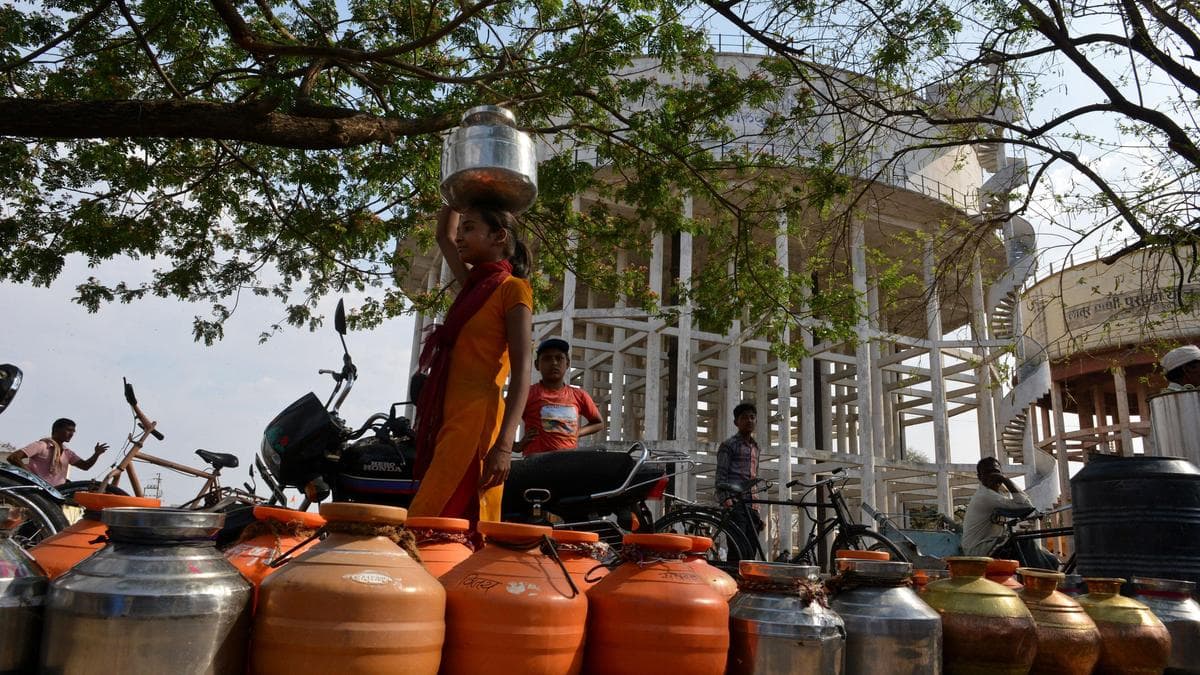
Archived syndication image from The Hindu Direct Publisher Wire
NEW DELHI — A distant climatic oscillation originating in the Pacific Ocean is actively draining moisture from northern India, accelerating the geographical spread of semi-arid landscapes across the country's north-western territories, according to groundbreaking scientific findings.
Historically, regional rainfall and moisture availability in the subcontinent were understood through localized monsoon patterns, but contemporary atmospheric research reveals a profound teleconnection. Climatologists explain that shifting oceanic temperatures and circulation dynamics in the distant Pacific are directly altering regional wind patterns, effectively severing the atmospheric conduits that previously delivered life-giving humidity to India's agricultural heartland.
According to reports published by The Hindu detailing collaborative research from the India Meteorological Department (IMD) and the Indian Institute of Tropical Meteorology (IITM), this atmospheric anomaly represents an unprecedented threat to traditional weather predictability. Experts emphasize that the ongoing desiccation is not a temporary anomaly but a structural shift in climate behavior that demands immediate policy adaptation and long-term environmental mitigation strategies.
Looking ahead, the persistent drying trend threatens to severely undermine agricultural yields, potentially triggering widespread food insecurity and forcing the large-scale displacement of rural communities. As research continues to map the full extent of the Victoria Mode's influence, policymakers face mounting pressure to fortify vulnerable agrarian economies against these escalating trans-oceanic climate shocks.