Delhi Police Defend Ex-Parte Prohibitory Orders in Supreme Court Amid Capital Security Measures
Delhi Police have defended their decision in the Supreme Court to implement extended restrictive measures in critical areas of the national capital without prior hearings. The legal defense follows major civil unrest in July, prompting heightened precautionary protocols through late November.

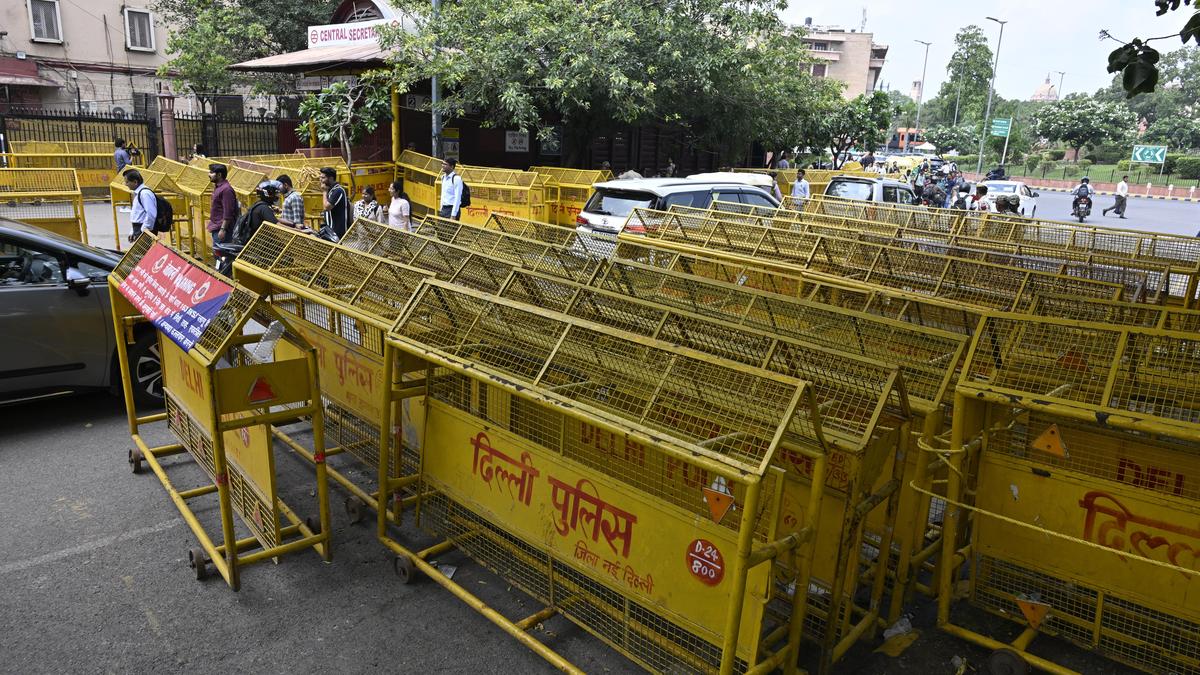
- Delhi Police issued six ex-parte restrictive orders around August 20 to maintain public order.
- The security measures directly follow violent demonstrations that erupted in the New Delhi district during July.
- One of the enforced directives establishes prohibitions lasting from September 26 through November 24.
NEW DELHI — Law enforcement authorities in the national capital have defended their issuance of 60-day restrictive directives implemented on an ex-parte basis, telling the Supreme Court that the measures were vital for curbing potential public disorder in sensitive municipal zones. The controversial administrative mandates, finalized around August 20, bypassed standard preliminary consultations to swiftly address perceived threats to civic stability.
The extraordinary legal defense unspools against a backdrop of heightened municipal tension following volatile demonstrations in the New Delhi district last July. According to law enforcement assessments, those mid-summer protests deteriorated into destructive confrontations, compelling security administrators to adopt preemptive legal safeguards to shield vital government sectors and diplomatic corridors from subsequent outbreaks of violence.
According to reports by The Hindu, legal representatives for the police administration emphasized that the sequence of six directives—issued immediately preceding, during, or following the August 20 threshold—was legally justified under prevailing public safety statutes. Critics and civil liberties advocates, however, have raised constitutional concerns regarding the lack of transparent, two-sided hearings prior to the enactment of such sweeping restrictions on public assembly.