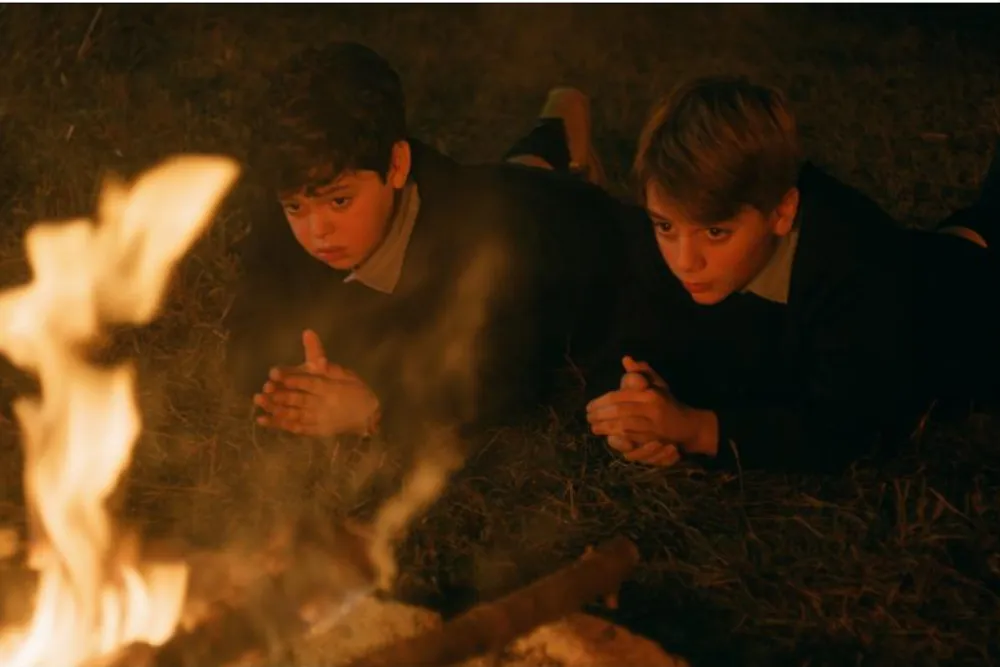
Searching for SmarterChild Documentary Explores Why Humans Verbally Abuse AI Chatbots
An investigative documentary exploring the psychological phenomenon of human hostility toward artificial intelligence has captured top honors on the festival circuit. The project delves into early digital companions and raises critical questions about modern human-machine interactions.
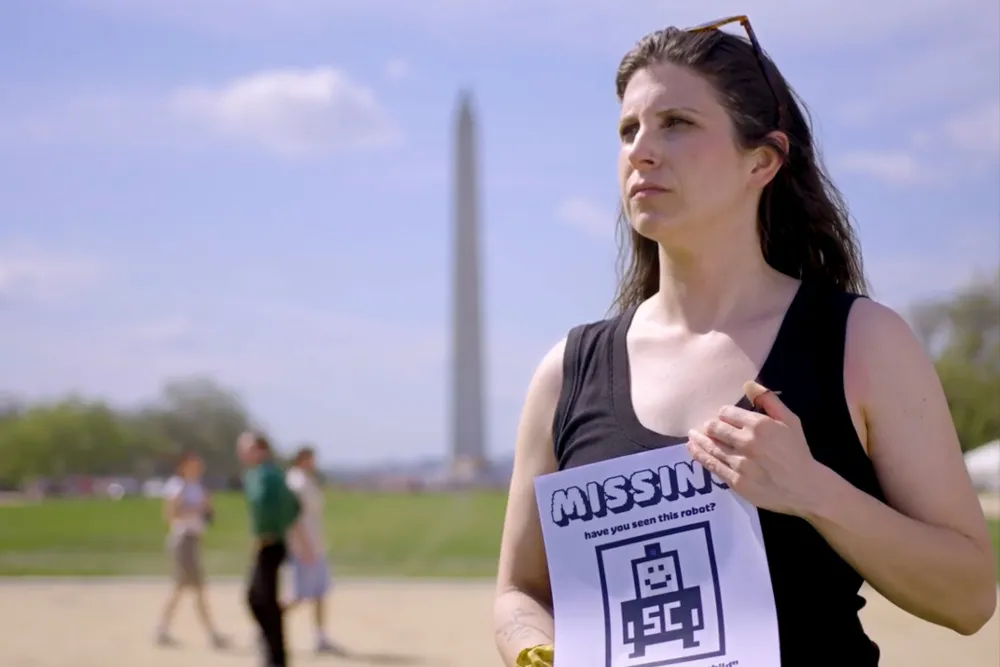
- The documentary Searching for SmarterChild captured the prestigious New Visions Award for top U.S. project at industry showcases.
- Filmmakers explore the underlying psychological triggers that prompt users to direct verbal abuse and frustration at digital assistants.
- The project bridges the gap between early internet chatbots and contemporary generative artificial intelligence behavior.
A provocative new cinematic investigation titled "Searching for SmarterChild" has emerged as a critical darling after securing the New Visions Award for the most promising United States project at the recent Ji.hlava documentary gatherings. The feature-length documentary tackles a peculiar and increasingly common modern phenomenon: the human impulse to hurl insults, frustration, and verbal abuse at artificial intelligence programs, prompting creators to ask whether society should reconsider its digital manners.
Long before modern generative systems dominated the technological landscape, early conversational interfaces like AOL's iconic SmarterChild laid the groundwork for how humans interact with non-human entities. This upcoming project revisits those foundational digital relationships to examine the evolutionary trajectory of human-computer interaction, tracking how society transitioned from novelty messaging to venting genuine aggression toward lines of code.
According to reports published by Variety, the filmmakers center their narrative on the psychological disconnect that occurs when individuals use artificial intelligence as an emotional punching bag. Industry analysts note that as synthetic companions become more integrated into daily routines, understanding the societal implications of user hostility is rapidly shifting from a quirky behavioral quirk to a serious ethical concern.