Director Darin J. Sallam Defends Breakthrough Feature 'Farha' Amid Intense Backlash Over Nakba Portrayal
Palestinian-Jordanian director Darin J. Sallam remains steadfast in her creative vision regarding her debut feature, 'Farha,' which chronicles the 1948 Nakba. Despite facing severe political backlash and digital censorship campaigns, the filmmaker emphasizes that she stands firmly by the project.

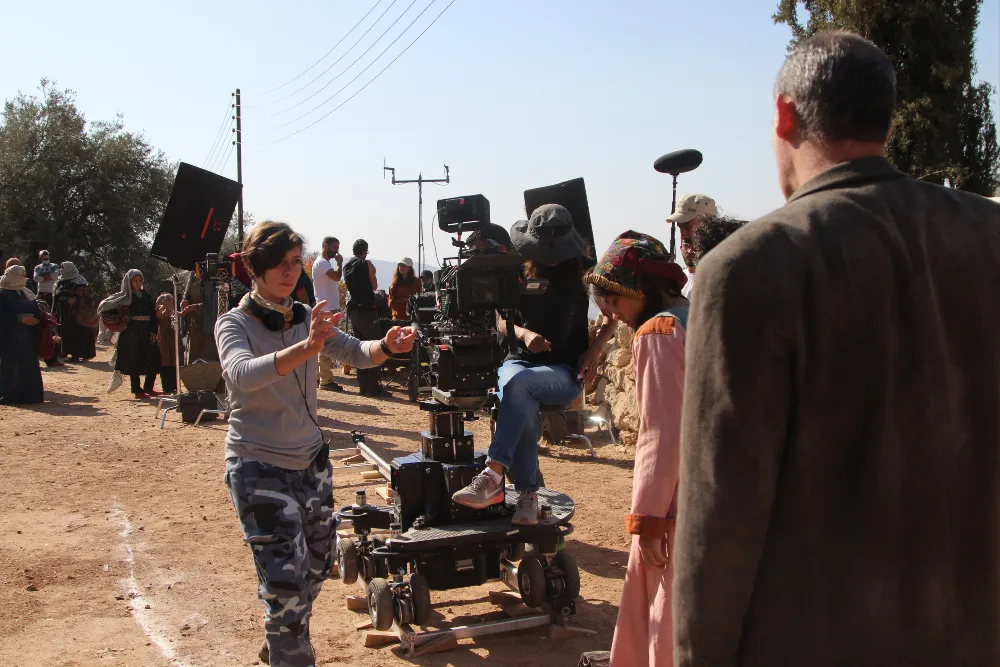
- Darin J. Sallam asserts she harbors zero regrets regarding her critically acclaimed debut feature, 'Farha.'
- The film depicts the 1948 Nakba through the eyes of a teenage girl, drawing both high praise and aggressive political pushback.
- The controversy highlights ongoing global tensions surrounding the cinematic depiction of Palestinian history and displacement.
AMMAN — Palestinian-Jordanian director Darin J. Sallam has broken her silence on the intense global controversy surrounding her acclaimed debut feature, 'Farha,' firmly stating that she maintains no regrets about bringing the historical drama to the screen. The movie, which centers on a young Palestinian girl coming of age during the tumultuous events of the 1948 Nakba, has ignited fierce international debates regarding historical representation, censorship, and artistic freedom.
The project explores the mass displacement and dispossession of Palestinians through an intimate, claustrophobic lens, capturing the trauma of a pivotal historical epoch that continues to heavily influence modern geopolitics. Since its release, the film has served as both a celebrated artistic milestone and a lightning rod for political friction, confronting institutional resistance and coordinated efforts to diminish its cultural reach.
According to detailed reports by Variety, Sallam faced formidable obstacles during and after the production phase, including aggressive online campaigns and attempts to discredit the cinematic narrative. Despite the vitriolic reactions from various political detractors, the filmmaker has consistently defended the authenticity of her storytelling, asserting that shedding light on historical realities is an essential duty for modern artists.