Elvis Presley Catalog Owners Hit AI Giant Anthropic With $50 Million Copyright Lawsuit
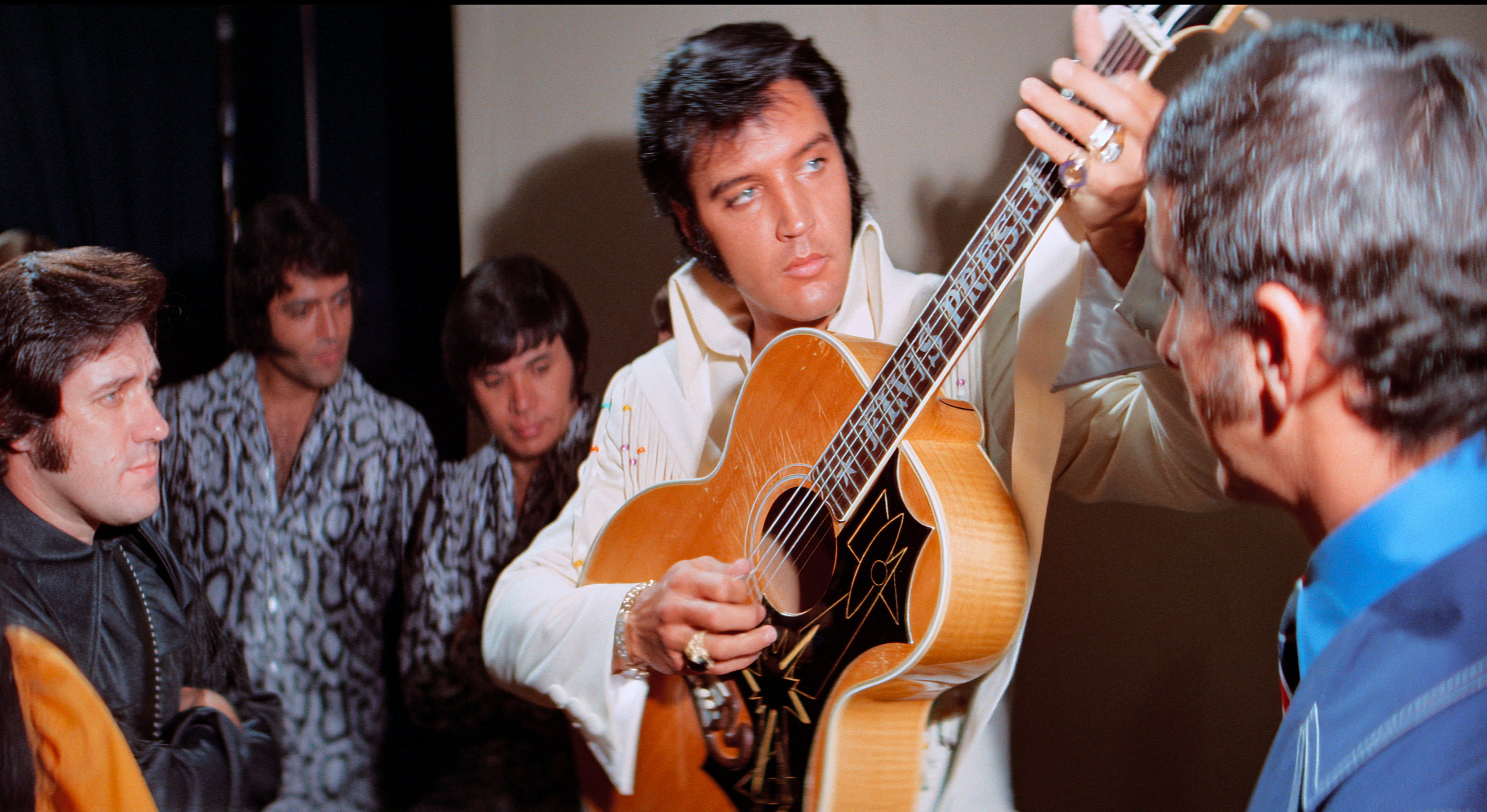
- •Stakeholders controlling Elvis Presley's musical repertoire filed a federal copyright infringement lawsuit against Anthropic.
- •Plaintiffs are pursuing nearly $50 million in damages, accusing the tech company of valuing financial ambitions over legal compliance.
- •The high-profile dispute underscores broader industry anxieties regarding generative artificial intelligence training methods.
A consortium of stakeholders and publishing entities holding the commercial rights to Elvis Presley's iconic musical catalogue filed a federal copyright infringement lawsuit against artificial intelligence developer Anthropic, demanding close to $50 million in statutory and actual damages. Filed in federal court, the explosive complaint alleges that the prominent AI enterprise willfully exploited protected artistic works without authorization while rushing toward lucrative market valuations.
The legal confrontation arrives amid mounting friction between creators and technology firms over the automated harvesting of copyrighted material to train large language models. Music publishers and legacy rights managers have increasingly pushed back against tech platforms, arguing that scraping lyrics, compositions, and related assets undermines the economic foundation of the global creative economy.
According to reports by Variety, the legal filing accuses Anthropic of prioritizing a prospective multitrillion-dollar equity valuation and aggressive commercial expansion over fundamental intellectual property laws. Representatives for the plaintiffs emphasize that foundational works from legendary artists must be shielded from unauthorized digital exploitation, signaling that content creators are prepared to wage aggressive legal battles to establish defensive precedents.
As this high-stakes litigation proceeds through the federal court system, legal analysts anticipate it could shape the future regulatory landscape for generative artificial intelligence and copyright enforcement. The outcome of the case may compel tech developers to radically overhaul their data acquisition protocols, potentially setting a monumental legal standard for how artificial intelligence companies license and utilize protected artistic creations moving forward.