BBC Business
Thursday, October 15, 2026 at 11:18 PM1 min readVerified Wire
High-Tech Odor Detection Systems Transform Waste and Industrial Management
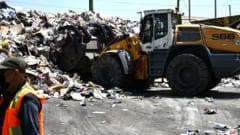
Archived syndication image from BBC Business Direct Publisher Wire
A new wave of advanced technological solutions is revolutionizing how municipal waste sites and heavy industrial plants detect, measure, and manage persistent foul odors affecting surrounding communities. Global environmental operators are rapidly adopting automated sensor networks and artificial intelligence platforms to continuously evaluate air quality and pinpoint the exact origins of objectionable smells.
For decades, neighboring residential communities have struggled with the disruptive quality-of-life impacts generated by landfills, chemical plants, and manufacturing facilities, often relying on subjective, delayed human complaints to trigger investigations. Historically, regulatory enforcement against such nuisances proved difficult due to the transient nature of airborne scents, leaving local populations with few viable remedies.
According to reports by BBC Business, industry experts emphasize that these sophisticated monitoring tools bridge the gap between community grievances and scientific accountability by providing incontrovertible, continuous data streams. Environmental engineers and municipal leaders note that transitioning from reactive complaint logs to proactive digital surveillance marks a vital turning point in industrial hygiene.
Looking ahead, market analysts anticipate widespread regulatory mandates requiring automated odor-tracking infrastructure across all major waste management and manufacturing sectors. As these deployment strategies mature, operators who successfully integrate predictive olfactory technology will likely avoid costly penalties and foster greater trust within the neighborhoods they inhabit.