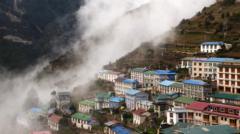
An aggressive surge in real estate development, hospitality facilities, and transportation infrastructure has placed an estimated 300,000 residents and visitors directly in the pathway of severe environmental catastrophes across the Himalayan regions of Nepal and India's Uttarakhand state. Driven by escalating commercial demands and a post-pandemic tourism rebound, heavy machinery and concrete structures have rapidly encroached upon unstable mountain slopes, steep riverbanks, and ecologically fragile terrain.
This alarming construction frenzy compounds decades of escalating ecological stress within one of the world's most seismically active and vulnerable zones. Historically, the region has witnessed devastating flash floods, glacial lake outburst floods, and massive landslides that have reshaped valleys and claimed countless lives. Geologists point out that the removal of natural vegetation, combined with improper waste disposal and slope destabilization for roads and hotels, fundamentally compromises the natural resilience of the Himalayan landscape.
According to investigative reports by BBC News, regional planners and environmental watchdogs have repeatedly cautioned that local regulatory frameworks are failing to keep pace with aggressive commercial expansion. Critics argue that municipal and state authorities routinely bypass stringent environmental impact assessments in favor of immediate economic gains, ignoring repeated warnings from disaster management specialists who advocate for sustainable carrying-capacity limits.
Looking ahead, scientists and urban planners urge immediate intervention, including moratoriums on high-risk construction projects and the implementation of climate-resilient zoning laws. Without a radical shift toward sustainable governance and rigorous oversight, policymakers warn that the region is hurtling toward an unprecedented humanitarian emergency, threatening entire communities with irreversible devastation during the next major monsoon or earthquake.